
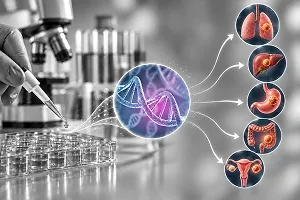
Exploring Cancer-Cell Research and What It Can and Cannot Tell Us
Laboratory research is often one of the first stages in investigating whether an existing compound might have potential against cancer. In the case of fenbendazole, researchers have tested the drug in different cancer-cell models to understand whether it can influence cancer-cell growth, survival, metabolism, and other cellular processes.
Several laboratory studies have reported biological effects that have made fenbendazole interesting as a potential drug-repurposing candidate. At the same time, other experiments have produced different or less encouraging findings. This makes it important to look at the evidence as a whole rather than focusing on a single positive result.
Effects on Cancer Cell Growth
One of the most commonly investigated effects is whether fenbendazole can reduce the growth or viability of cancer cells in laboratory cultures. Researchers have tested fenbendazole against different cancer cell lines and, in several experiments, observed reduced cell proliferation at specific concentrations.
For example, a 2018 study reported that fenbendazole showed cytotoxic effects against several human cancer cell models at micromolar concentrations. The researchers also investigated changes involving microtubules, glucose uptake, mitochondrial activity, and cellular signaling.
However, the concentration required to produce an effect in a laboratory dish is an important consideration. A substance producing an effect at a particular experimental concentration does not automatically mean that the same concentration can be safely achieved in human tissues.
Changes in Cell-Cycle Activity
Cancer cells often divide rapidly, making regulation of the cell cycle an important area of cancer research. Laboratory studies have examined whether fenbendazole can interfere with this process.
In a study using H4IIE hepatocellular carcinoma cells, fenbendazole reduced the growth of actively dividing cells and was associated with changes in cell-cycle regulation. Researchers observed increased p21 and reductions in certain proteins involved in cell-cycle progression.
The study also reported apoptosis-associated changes under the experimental conditions. Interestingly, the effects were different in actively growing cells compared with cells that had entered a quiescent state, showing how experimental conditions can influence the results.
Effects on Microtubules
Microtubules are important structures that help cells maintain their shape and carry out cell division. Because some established anticancer drugs target microtubules, researchers have investigated whether fenbendazole may influence this cellular system.
Experimental research found that fenbendazole can interact with mammalian tubulin and act as a moderate microtubule-destabilizing agent. Disruption of microtubule function may interfere with normal cell division and contribute to changes in cancer-cell survival.
These findings provide a possible biological explanation for some of the growth-inhibitory effects observed in laboratory experiments.
Glucose Metabolism and Energy Use
Cancer cells can undergo substantial changes in how they obtain and use energy. This has led researchers to investigate whether fenbendazole affects glucose utilization and glycolysis.
In one laboratory study, fenbendazole reduced glucose uptake and affected the expression of glucose transporters and hexokinase II, an enzyme involved in glycolysis. These changes were associated with broader alterations in cellular metabolism.
However, findings have not been completely consistent across all experimental systems. For example, another study using hepatocellular carcinoma cells did not observe changes in glucose consumption or lactate production under its experimental conditions.
Oxidative Stress and Cellular Signaling
Researchers have also investigated whether fenbendazole can alter reactive oxygen species (ROS) and oxidative stress.
One study using HeLa cervical cancer cells reported increased ROS and changes in the p38-MAPK signaling pathway, alongside reduced proliferation and increased apoptosis. These findings suggest that oxidative stress and cellular signaling may contribute to fenbendazole’s effects in some experimental cancer models.
However, another laboratory study found that fenbendazole did not increase ROS under its particular experimental conditions. This difference highlights an important point: biological effects can vary depending on the cancer-cell type, experimental conditions, concentration, and duration of exposure.
PubMed reference 1 →
PubMed reference 2 →
Cell Death and Apoptosis
Several laboratory studies have reported changes associated with apoptosis, a controlled process of cell death. Other research has investigated different forms of cell death and changes in proteins involved in these pathways.
More recent laboratory work has also examined fenbendazole in breast cancer models and reported effects involving glycolysis and a form of inflammatory cell death called pyroptosis. These findings expand the range of mechanisms being investigated, but they remain experimental observations.
Research Across Different Cancer Models
Fenbendazole has been investigated in several experimental cancer models, including breast, cervical, ovarian, liver, and other cancer-cell systems. Recent studies have reported effects on proliferation, cell-cycle regulation, apoptosis, metabolism, and signaling pathways.
For example, a 2024 ovarian cancer study reported reduced proliferation and increased apoptosis in A2780 and SKOV3 cancer-cell models. A 2025 cervical cancer study also reported effects on cancer cells and cancer stem-cell models.
These studies broaden the research landscape, but results from one cancer type cannot automatically be generalized to all cancers.
PubMed reference – Ovarian cancer study →
PubMed reference – Cervical cancer study →