
What Does “Emerging Cancer Therapy” Actually Mean?
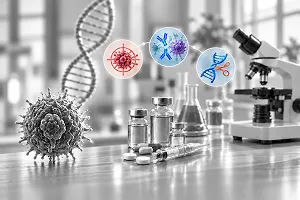
An emerging cancer therapy is generally an approach that is being developed or studied as a potential new way to prevent cancer cells from growing, destroy them, stimulate the immune system, or improve the effectiveness of existing treatments.
These approaches may come from discoveries in cancer genetics, immunology, molecular biology, drug development, biotechnology, or advances in how treatments are delivered. Emerging therapies can involve completely new drugs, modified versions of existing treatments, new treatment combinations, cellular therapies, cancer vaccines, genetic approaches, or new methods of delivering treatment directly toward cancer cells.
Some approaches are designed for specific cancers, while others are based on biological features that may occur across several cancer types.
However, the word “emerging” does not mean “proven.” A therapy can be scientifically interesting without yet having enough evidence to become routine cancer treatment.
Some therapies remain at the laboratory stage for years, while others progress relatively quickly into human studies. Researchers therefore evaluate new therapies step by step.
Laboratory studies can provide information about biological activity and possible mechanisms. Preclinical models can help researchers investigate toxicity and how a treatment behaves in a more complex biological system. Clinical trials then examine safety, dosing, early signals of effectiveness, and eventually whether a new approach provides meaningful benefit compared with existing treatment.
Source: National Cancer Institute→
Understanding the Evidence Stages
Before discussing individual therapies, it helps to understand how cancer treatments are evaluated. The stage of research provides important context for interpreting claims about a new treatment.
Preclinical Research
Preclinical research may involve cancer cells grown in laboratories, organoids, animal models, or other experimental systems. Researchers may ask whether a drug reaches its target, changes cancer-cell behavior, activates immune cells, or slows tumor growth.
These studies are essential for deciding whether an approach is reasonable to test in humans. They can also help researchers understand possible mechanisms of action and identify potential safety concerns before human testing begins.
But preclinical success is not proof of human benefit. A treatment that works in mice, for example, may behave differently in humans because human tumors, immune systems, metabolism, drug exposure, and tumor environments are much more complex.
Phase I
Phase I is generally the first stage of testing in humans. Researchers primarily investigate safety, side effects, dose, timing, and how the treatment behaves in the body.
Some Phase I studies also look for early signs that a treatment may affect cancer. Researchers may measure tumor changes or biological markers that show whether the intended target is being affected.
A response seen in a small Phase I study can be scientifically encouraging, but it is not enough to establish effectiveness for the broader cancer population.
Phase II
Phase II studies generally include more participants and focus more strongly on whether the treatment has an anticancer effect in a particular cancer or patient group. Researchers continue to collect important safety information.
A promising Phase II result may justify larger trials, but some therapies that appear effective in Phase II later fail in Phase III because their benefits are not confirmed in larger populations or because unexpected limitations become apparent.
Phase III
Phase III trials generally compare an emerging therapy with an existing standard treatment or another appropriate control.
They can provide much stronger evidence about effectiveness, side effects, survival, quality of life, and other clinically meaningful outcomes.
A treatment reaching Phase III has therefore progressed substantially beyond a laboratory concept, but it is still not necessarily proven to be better than existing care.
Phase IV
Phase IV research occurs after approval and can provide additional information about long-term safety, effectiveness in broader populations, and uncommon adverse effects.
These studies can also help researchers understand how a treatment performs in routine clinical practice outside the controlled conditions of earlier trials.
Source: National Cancer Institute→
Precision Medicine and Biomarker-Directed Therapies
One of the major directions in cancer research is precision medicine. Instead of treating every tumor of the same organ in exactly the same way, researchers increasingly examine the molecular characteristics of an individual cancer.
These may include gene mutations, protein expression, DNA repair abnormalities, immune features, or other biomarkers.
For example, some tumors contain alterations that activate specific growth pathways. If a drug can specifically interfere with that pathway, researchers can investigate whether patients whose tumors contain the relevant biomarker are more likely to benefit.
This has changed the way many clinical trials are designed. Some studies select participants based on the molecular characteristics of their tumors rather than simply the organ where the cancer began.
This approach can make treatment research more biologically specific and may help identify patient groups that are more likely to respond.
At the same time, precision medicine has important limitations. Finding a mutation does not automatically mean that there is an effective drug for it.
Some alterations are difficult to target, some targets occur only in a subset of cancer cells, and tumors can develop additional changes that create treatment resistance.
A biomarker can therefore help guide research and treatment selection without guaranteeing an individual patient’s response.
Evidence stage: Some biomarker-targeted treatments are already established, while many new targets and drug combinations remain in preclinical, Phase I, Phase II, or Phase III development.
Source: National Cancer Institute→
Next-Generation Targeted Therapies
Targeted therapies are designed to interfere with proteins or biological pathways that help cancer cells grow, divide, survive, or spread. Researchers continue to search for new targets and new ways to inhibit known cancer-driving pathways.
Improvements in tumor sequencing and molecular analysis have helped researchers identify genetic changes that may create specific vulnerabilities.
One important area is developing drugs against targets that were previously considered difficult to treat. Advances in structural biology, computational modeling, drug design, and molecular profiling have helped researchers identify new possibilities.
Another direction is combining targeted therapies. A cancer may use more than one pathway to survive, so blocking a single pathway may not be sufficient.
Researchers are therefore studying combinations that attack complementary biological vulnerabilities. For example, blocking one pathway may initially slow cancer growth, but the tumor may compensate by activating another pathway.
However, combination treatments can also increase toxicity, drug interactions, and treatment complexity. A theoretically powerful combination may therefore not be useful if patients cannot tolerate it or if the additional drug does not produce enough clinical benefit.
Evidence stage: Targeted therapy as a treatment concept is established, but many individual targets and next-generation drugs remain in preclinical, Phase I, Phase II, or Phase III development.
Source: National Cancer Institute→
Antibody-Drug Conjugates: Delivering Drugs More Precisely
Antibody-drug conjugates (ADCs) combine two important components: an antibody that recognizes a target and a potent drug attached to that antibody.
The basic concept is similar to using a molecular delivery system. The antibody is designed to recognize a protein present on cancer cells. After binding and being taken into the cell, the attached drug can be released and damage the cancer cell.
ADCs are particularly interesting because they attempt to improve the relationship between drug delivery and cancer-cell targeting.
Instead of relying only on a drug circulating throughout the body, the antibody component is intended to help concentrate the treatment around cells carrying a particular target.
However, they are not perfectly selective. The target may also occur on some healthy cells, the antibody may not reach every cancer cell, and tumors can become resistant by reducing target expression or altering how the drug is processed.
Researchers are also studying different antibody designs, drug payloads, linkers, and target molecules. These changes can influence how effectively the drug reaches cancer cells and how much exposure occurs in healthy tissues.
Evidence stage: The platform is clinically established for selected indications, while many next-generation ADCs remain investigational.
Source: National Cancer Institute→
Bispecific Antibodies
Another major area of research is bispecific antibodies. Traditional antibodies generally recognize one target. Bispecific antibodies are engineered to interact with two different targets.
One strategy is to connect an immune cell with a cancer cell. The antibody can bind one target on the tumor and another target on an immune cell, potentially bringing the two cells into close proximity.
Other bispecific designs attempt to block two cancer-supporting pathways at the same time. This gives researchers a way to influence more than one biological process using a single therapeutic molecule.
This approach is attractive because cancer cells can use multiple mechanisms to evade treatment. A molecule capable of influencing two biological targets may theoretically produce effects that a single-target therapy cannot.
However, stronger immune activation can also create serious side effects. Researchers must therefore determine appropriate dosing, treatment schedules, patient selection, and methods of managing immune-related toxicities.
Many bispecific approaches are currently being investigated in clinical trials, including studies in solid tumors and blood cancers. Some have already produced meaningful clinical results in selected diseases, while others are still being evaluated.
Evidence stage: Some bispecific therapies have reached clinical use in selected diseases, while many newer designs remain in Phase I or Phase II development.
Source: National Cancer Institute→
CAR-T Cell Therapy and the Next Generation of Cell Therapy
CAR-T therapy is one of the most important examples of cancer treatment based on living cells. In CAR-T treatment, T cells are collected from a patient and genetically modified so that they can recognize a particular cancer-associated target. The modified cells are then expanded and returned to the patient.
This approach has produced important clinical responses in several blood cancers and demonstrates how a patient’s own immune cells can be modified to recognize cancer more effectively.
Researchers are now trying to extend cellular therapy to more difficult cancers, particularly solid tumors.
Solid tumors present additional challenges. Cancer cells can be heterogeneous, meaning not every cancer cell expresses the same target. Tumors can also create an environment that suppresses immune cells and prevents therapeutic T cells from functioning effectively.
Researchers are therefore studying new CAR designs, multiple-target CARs, armored T cells, improved trafficking into tumors, and combinations with other treatments.
Some approaches are also designed to make therapeutic cells survive longer or function more effectively within the tumor environment.
Another challenge is safety. Because the engineered cells can produce strong immune activity, some patients may experience significant inflammatory or immune-related complications.
Evidence stage: CAR-T therapy is established for selected cancers, while many next-generation cellular approaches remain experimental.
Source: National Cancer Institute→
TCR-Engineered T Cells
Another form of cellular therapy involves T-cell receptors, or TCRs. Instead of using a CAR to recognize a target on the surface of a cancer cell, TCR-engineered cells can be designed to recognize specific peptide fragments presented by molecules called HLA.
This potentially allows researchers to target cancer-associated proteins that may not be directly accessible to conventional CARs. In theory, this expands the range of tumor targets that cellular therapy can recognize.
TCR therapy is being studied particularly in tumors containing specific mutations or cancer-associated antigens.
Some approaches focus on tumor-specific changes that may be less common in normal tissues. The challenge is that TCR recognition depends on both the target peptide and the patient’s HLA type.
This means treatment may only be suitable for patients with the correct biological characteristics.
Researchers are also studying ways to improve T-cell persistence, tumor penetration, target recognition, and safety.
Evidence stage: TCR-based therapies remain an active area of clinical development, with some approaches in early-phase trials and increasing investigation of mutation-specific targets.
Source: National Cancer Institute→
Personalized Cancer Vaccines
Traditional vaccines are generally designed to prevent infections. Therapeutic cancer vaccines have a different goal: they attempt to stimulate the immune system to recognize and attack an existing cancer.
One particularly active research area is the personalized neoantigen vaccine. Cancer cells can acquire mutations that produce abnormal proteins or protein fragments called neoantigens.
Researchers can sequence a patient’s tumor and use computational approaches to identify candidate neoantigens that might be recognized by the immune system.
A personalized vaccine can then be designed around selected targets. The intention is to train or strengthen the immune response against characteristics that are present in that particular person’s tumor.
But the process is complex. Tumors may contain many mutations, not all predicted neoantigens generate strong immune responses, and cancer cells can lose targeted antigens or suppress immune activity.
There can also be substantial differences between different areas of the same tumor. A vaccine targeting an antigen that is present in only some cancer cells may therefore leave other cancer-cell populations unaffected.
Evidence stage: Mostly investigational, with ongoing early- and later-stage clinical research depending on the specific vaccine platform and cancer type.
Source: National Cancer Institute→
Oncolytic Virus Therapy
Oncolytic viruses are designed or selected to preferentially infect and damage cancer cells. Some viruses can replicate inside tumor cells and eventually cause them to die.
The resulting release of tumor material may also help expose cancer-associated signals to the immune system.
Researchers are studying whether oncolytic viruses can act both as direct anticancer agents and as a way to stimulate stronger immune responses.
In some experimental designs, viruses are genetically modified to carry additional molecules intended to increase immune activity within the tumor.
Another strategy is to combine oncolytic viruses with checkpoint inhibitors or other immunotherapies.
The challenge is getting enough virus into the tumor, overcoming the body’s antiviral defenses, reaching cancer cells throughout the body, and maintaining an acceptable safety profile.
Some oncolytic virus approaches have already reached clinical use in specific settings, while many newer versions remain experimental.
Evidence stage: The underlying platform has reached clinical use in selected situations, but numerous next-generation viruses remain in early clinical development.
Source: National Cancer Institute→
Radiopharmaceutical Therapy
Radiopharmaceuticals combine a targeting molecule with a radioactive component. The targeting portion is designed to recognize a specific molecule on cancer cells.
The radioactive component can then deliver radiation close to the target. This approach is particularly interesting because radiation does not necessarily have to be delivered from outside the body.
Instead, a radioactive drug can travel through the bloodstream and deliver radiation to cells expressing the target.
Researchers are studying new targets, radioactive isotopes, delivery molecules, and combinations with other cancer treatments.
An important challenge is ensuring that the target is sufficiently present on cancer cells while limiting radiation exposure to healthy tissues.
Kidney, bone marrow, and other organs may require particular attention depending on the treatment.
Evidence stage: Radiopharmaceutical therapy is already established for selected cancers and targets, while many new agents and target combinations remain under clinical investigation.
Source: National Cancer Institute→
Immunotherapy Beyond Checkpoint Inhibitors
Immune checkpoint inhibitors have changed cancer treatment for many patients, but they do not work for everyone.
Researchers are therefore investigating ways to overcome resistance and activate different components of the immune system. The goal is not simply to increase immune activity, but to make that activity more specifically useful against cancer.
Possible approaches include combining checkpoint inhibitors with targeted drugs, radiation, cellular therapy, vaccines, bispecific antibodies, or other immune-modulating agents.
Researchers are also studying the tumor microenvironment. Cancer cells do not exist alone; they interact with immune cells, fibroblasts, blood vessels, signaling molecules, and extracellular structures.
Changing this environment may make tumors more accessible to immune attack.
However, immune activation can also damage healthy tissues. Researchers therefore need to balance stronger anticancer immunity with manageable toxicity.
Evidence stage: Immunotherapy itself is established, but many next-generation combinations and immune targets remain investigational.
Source: National Cancer Institute→
Targeting Cancer Metabolism
Cancer cells often alter how they obtain and use nutrients and energy. These metabolic changes can help cancer cells grow rapidly, survive stressful conditions, and adapt to changes in their environment.
Researchers have therefore become interested in whether these altered metabolic pathways create weaknesses that can be therapeutically exploited.
Researchers are investigating pathways involved in glucose metabolism, amino-acid use, lipid metabolism, mitochondrial function, and other processes that support cancer-cell survival.
The challenge is that cancer metabolism is closely connected to normal human metabolism. Healthy cells also need nutrients and energy, meaning a metabolic pathway that appears attractive in cancer may also be important in normal tissues.
Another challenge is metabolic flexibility. If one pathway is blocked, cancer cells may sometimes use another pathway.
For these reasons, metabolic therapies are being investigated carefully, often with an emphasis on identifying specific vulnerabilities rather than simply “starving” cancer.
Evidence stage: Many metabolic targets remain in preclinical or early clinical research, while some metabolism-related treatments are already part of cancer therapy.
Synthetic Lethality: Finding Cancer-Specific Weaknesses
Synthetic lethality is a strategy in which blocking one biological pathway becomes especially harmful when a cancer cell already has a defect in another pathway.
The concept can allow researchers to exploit a weakness created by the cancer itself. Instead of trying to damage every cell equally, researchers look for situations in which a particular genetic change makes cancer cells unusually dependent on another biological process.
For example, if a cancer has lost one DNA-repair mechanism, researchers may investigate whether blocking a second repair pathway causes the cancer cell to become particularly vulnerable.
This approach has already contributed to clinically useful targeted therapies in selected cancers.
Researchers are now searching for additional synthetic-lethal relationships using large-scale genetic screens, tumor sequencing, and computational analysis.
However, discovering a synthetic-lethal relationship in laboratory models does not guarantee that a drug targeting that relationship will be effective in patients.
Evidence stage: The principle has been clinically validated in selected settings, while many newly identified synthetic-lethal targets remain experimental.
Drug Repurposing
Drug repurposing involves investigating whether an existing drug developed for one condition might have useful anticancer activity.
The advantage is that an existing medicine may already have substantial information about its pharmacology, dosing, and safety. This can sometimes reduce the amount of early development work needed compared with creating an entirely new molecule.
Researchers may identify potential anticancer effects through laboratory studies, analysis of existing patient data, computational screening, or observations from clinical practice.
However, repurposing does not automatically make a drug an established cancer treatment.
A drug may affect cancer cells in laboratory experiments at concentrations that cannot safely be achieved in humans. A biological mechanism may also fail to produce meaningful tumor responses in patients.
A medicine that is safe for its original indication may also have a different risk-benefit balance when used at different doses or together with cancer treatments.
Therefore, repurposed drugs still need appropriate clinical evidence.
Evidence stage: Highly variable. Some repurposed medicines have established roles in oncology, while many proposed repurposing strategies remain preclinical or early clinical research.
Why Promising Therapies Sometimes Fail
Cancer research contains many examples of treatments that looked promising in early experiments but did not become successful therapies.
There are several possible reasons. A drug may fail to reach the tumor at an effective concentration. The target may not be present in enough cancer cells. Tumors may contain several different cancer-cell populations. Cancer cells may develop resistance.
The immune system may not respond strongly enough. Sometimes the treatment may work biologically but cause unacceptable toxicity.
In other cases, a therapy may shrink tumors but fail to improve outcomes that matter to patients, such as overall survival, progression-free survival, symptoms, or quality of life.
Key point: “Promising” and “proven” are not interchangeable terms.
Why Phase I Success Does Not Mean a Treatment Is Proven
A common misunderstanding is that a positive Phase I trial means a treatment has been shown to work. That is not what Phase I is primarily designed to establish.
Phase I studies generally involve relatively small numbers of participants and focus heavily on safety, dose, administration, and tolerability.
A few patients may experience tumor shrinkage, which can provide an important signal for further development. But the sample size is usually too small to determine how effective the therapy will be across a broad population.
The therapy must continue through additional research before stronger conclusions can be made.
Source: National Cancer Institute→
Why Phase III Evidence Matters
Phase III studies are particularly important because they can compare a new treatment with the existing standard of care in a much larger population.
Researchers can examine not only whether tumors respond but also whether patients live longer, experience fewer serious complications, maintain quality of life, or have other meaningful benefits.
A new treatment does not necessarily need to produce dramatic tumor shrinkage to be valuable. Depending on the cancer, delaying progression, improving survival, reducing symptoms, or reducing treatment toxicity may all be important outcomes.
Conversely, a treatment that produces impressive tumor responses may not become standard if the overall benefit is small or the toxicity is substantial.
Source: National Cancer Institute→
Biomarkers May Determine Who Benefits
Emerging cancer therapies are increasingly connected to biomarker research. Instead of asking only, “Does this drug work for cancer?” researchers may ask: “Which patients are most likely to benefit from this drug?”
This distinction is important because a therapy may be highly effective in a biologically defined subgroup while producing little benefit in an unselected population.
Biomarkers can include gene alterations, protein expression, immune characteristics, DNA-repair abnormalities, tumor mutational features, or other biological signals.
However, biomarkers also have limitations. A biomarker associated with response does not guarantee that an individual patient will respond.
Tumors can evolve, different tumor regions can contain different characteristics, and resistance mechanisms can appear during treatment.
Source: National Cancer Institute→
Emerging Therapies and Cancer Resistance
Treatment resistance remains one of the biggest challenges in oncology. A tumor that initially responds may later begin growing again.
Resistance can arise because cancer cells acquire new mutations, activate alternative pathways, change their interaction with the immune system, or contain pre-existing resistant populations.
Researchers are therefore studying therapies that prevent resistance rather than simply responding to it after it develops.
This includes combination treatments, adaptive treatment strategies, repeated molecular testing, circulating tumor DNA analysis, and therapies designed to target multiple cancer dependencies.
The goal is not simply to find a powerful drug, but to understand how cancer may adapt to that drug.
The Role of Liquid Biopsy in Emerging Therapy Research
Liquid biopsy involves analyzing cancer-related material found in blood or other body fluids. One important example is circulating tumor DNA (ctDNA).
Because tumors can release DNA fragments into the bloodstream, researchers can sometimes detect molecular changes without repeatedly obtaining tissue biopsies.
This may help researchers monitor treatment response, identify emerging resistance, or investigate minimal residual disease.
However, not every cancer releases enough detectable material into the bloodstream. A negative liquid biopsy therefore does not necessarily mean that cancer is absent.
Researchers are continuing to study when liquid biopsy results can safely guide clinical decisions.
The Difference Between a Research Finding and a Treatment
This distinction is central to understanding emerging therapies.
Suppose researchers discover that a particular protein is important for cancer-cell survival. That is a biological finding. Suppose a laboratory drug blocks that protein and kills cancer cells in a dish. That is preclinical evidence.
Suppose the drug is then tested in humans and appears tolerable. That is early clinical evidence. Suppose a Phase II study shows meaningful tumor responses. That is stronger evidence.
Suppose a large randomized Phase III study demonstrates that the treatment improves clinically important outcomes compared with standard therapy. That represents a much stronger level of evidence.
The journey from mechanism to medicine is therefore long.
Clinical Trials Are the Bridge Between Discovery and Treatment
Clinical trials are the major pathway through which emerging therapies move from scientific concepts toward clinical use.
Researchers first need evidence that an approach is biologically reasonable and sufficiently safe to test in humans.
Clinical trials then progressively evaluate dosing, safety, effectiveness, comparisons with standard treatment, and longer-term outcomes.
Not every treatment that enters clinical trials succeeds. Some are stopped because of toxicity. Others fail to produce enough anticancer activity. Some work in only a specific subgroup.
Others may eventually become useful after researchers change the dose, treatment combination, or patient-selection strategy.
This process can appear slow, but it is necessary because cancer treatments affect real people and can produce serious side effects.
Source: National Cancer Institute→
The Future of Cancer Therapy May Be Combination-Based
Cancer is biologically complex, so the future may not involve a single universal treatment. Instead, treatment may increasingly involve combinations selected according to tumor biology.
For one patient, a combination could involve a targeted therapy and immunotherapy. For another, it could involve an antibody-drug conjugate and another systemic treatment. For another, cellular therapy may be investigated.
Researchers are also studying whether treatment can be adjusted as the tumor evolves.
This represents a shift from thinking of cancer as a static disease toward understanding it as an evolving biological system.